Jul.10,2026
After 27 years in biometrics, we’ve learned a counterintuitive rule:
Technology sets the ceiling. Scene understanding determines whether you ever reach it.
An algorithm scoring 99.9% in the lab can drop to 80% in real-world deployments.
The upper limit lives in the lab. The lower limit lives in the field.
• Equatorial outdoor terminals hit 50°C — passive cooling fails, recognition distance shrinks.
•Factory floors — fingers with cracks, calluses, grease break the “clean lab” training set.
• Monsoon tropics — 20% → 85% RH spikes fog the optical module.
This is the scene gap.
Algorithm improvement is continuous. Scene adaptation is binary: you either adapted, or you didn’t.
These lessons are built into our products.
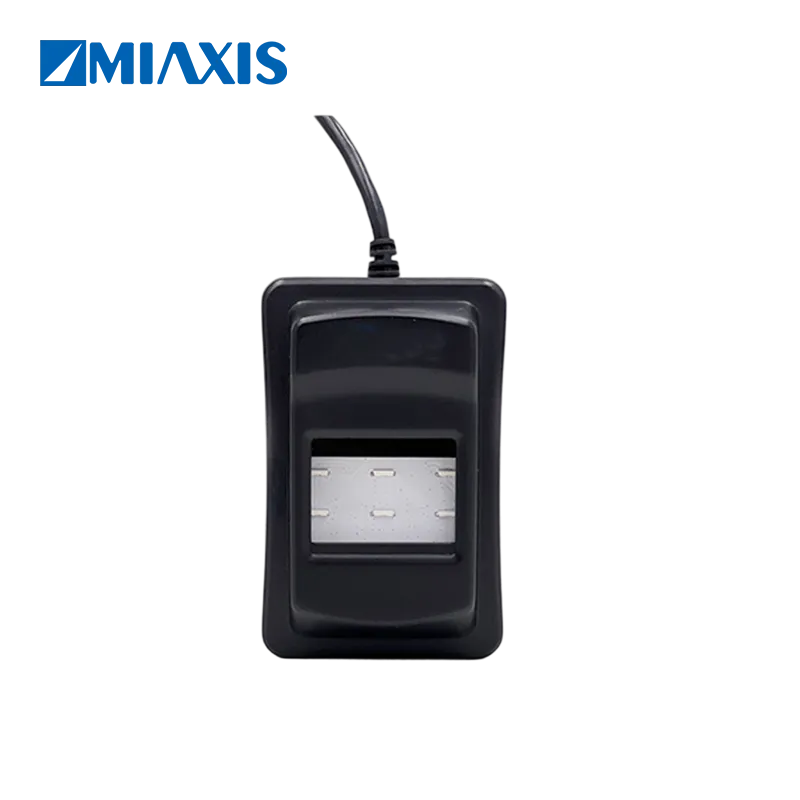
Take the SM-93s, our FAP30 optical fingerprint scanner.
Certified to FBI FAP30, iBeta PAD, MINEX III — but the spec sheet tells the real story:
• -10°C to 60°C operating / 20–95% RH: built for the least ideal environments.
• Multi-angle optics capture surface + subsurface detail, even in tough conditions.
• IP65, ±15kV ESD, 1M touch durability: every spec solves a known failure point.
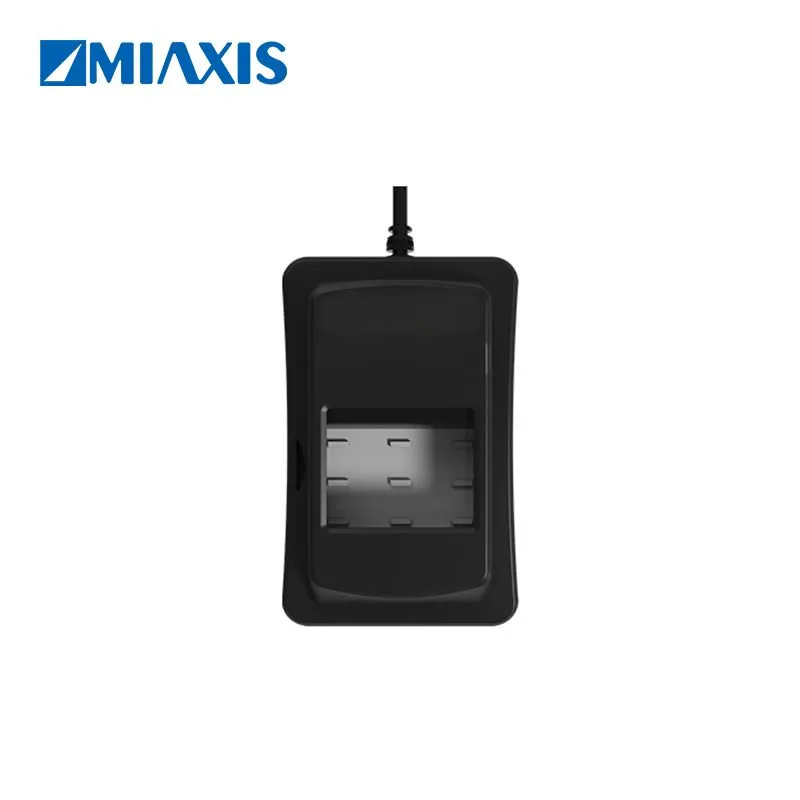
Then the FPVR-200 fingerprint and finger vein device:
• -15°C to 55°C operating / -30°C to 75°C storage: survives unheated cargo and vehicle nights.
• 0–93% RH: handles both desert dryness and sudden humidity spikes.
• Industrial-grade ESD/RF immunity: works alongside heavy equipment and antennas.
• 508 dpi capacitive sensor: no fogging, no dust-prone optics.
Two devices. Two form factors. One philosophy: design for the place the device will actually sit.
A good spec sheet isn’t just numbers. It’s a record of every field challenge we’ve solved.
Algorithm papers won’t tell you this. Delivered projects will.
Latest Products
Looking for Secure Biometric Solutions?
Unlock seamless and secure authentication with our end-to-end biometric solutions—tailored to fit your needs and scale with your vision.
Contact us to get a tailored quotation or SDK demo today.
Navigation
Navigation
Product Categories
Product Categories